Herd Health
Slip Today, Cull Tomorrow: The Long Arc of Preventable Lameness
By Rick Jr. · July 10, 2025
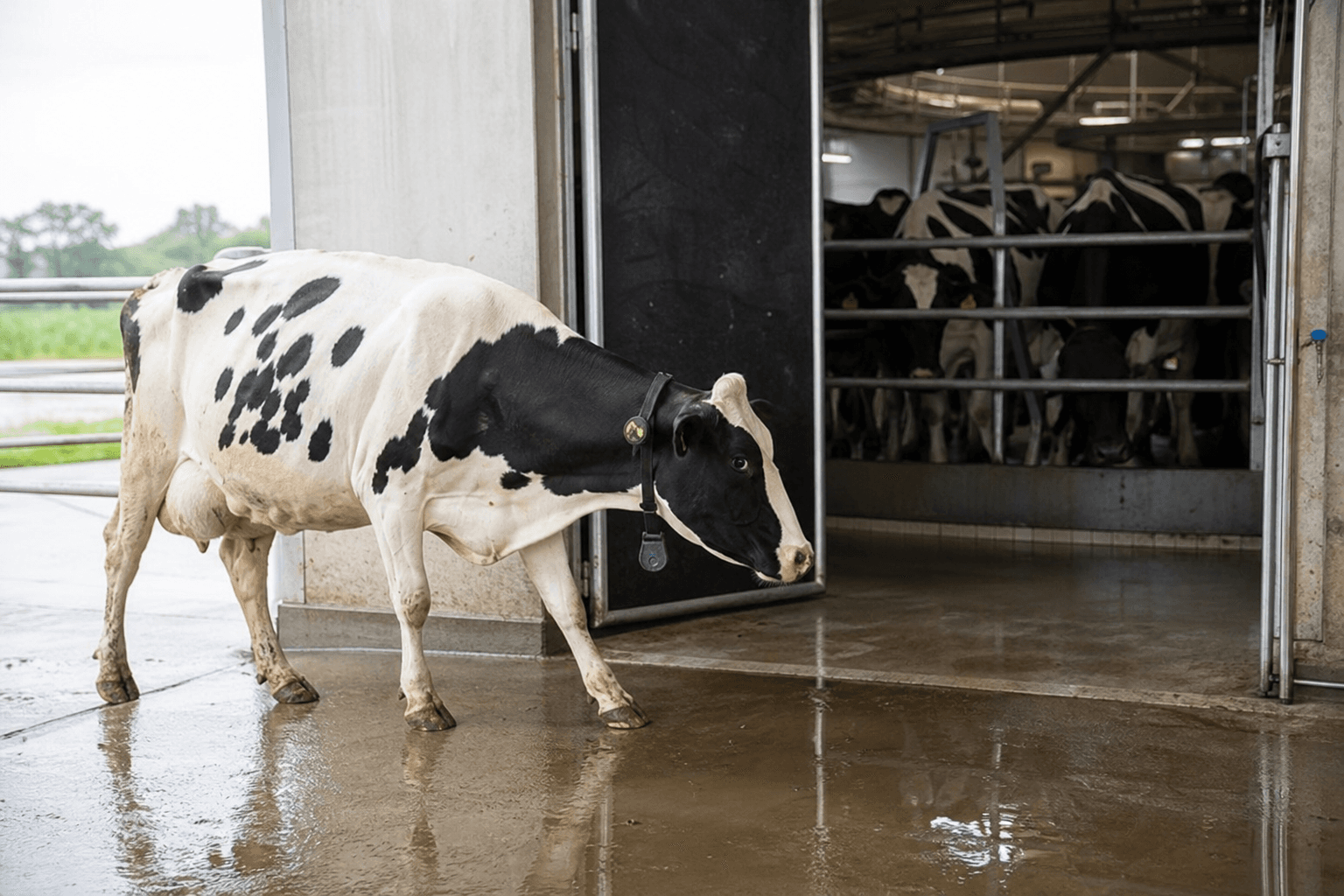
Dairy cow recovering footing on grooved barn concrete preventing slip injuries that lead to culling
The slip you don't see today becomes the lame cow you cull next year. Footing problems compound quietly until the hoof trimmer and the cull list tell the same story.
The Slip Nobody Logged
Dairy records track treatments, breeds, and culls. They rarely track slips. A cow catches herself on a slick return lane, keeps walking, and never generates a report entry. Three months later she's at the trim chute with a sole ulcer and nobody connects it to the floor because the injury log doesn't go back that far.
That's the long arc of preventable lameness: small footing failures compound into cull decisions that feel like bad luck. They're not bad luck. They're physics and biology working on a smooth concrete surface that should have been grooved — or regrooved — before the edges wore round.
Lameness costs about $4.50 per day per lame cow, with 700–900 lbs of milk lost per case and treatment from $76–$533. Lameness ranks as the #3 cost on a dairy farm. Many of those cases started with a slip nobody logged.
Small footing failures compound into cull decisions that feel like bad luck.
From Scramble to Cull List
The progression is predictable. Micro-slip loads the claw wrong. Wrong loading irritates the white line. Irritation becomes ulcer. Ulcer becomes chronic lameness. Chronic lameness becomes a breeding problem, a production problem, and eventually a cull — often before the cow pays off her second lactation.
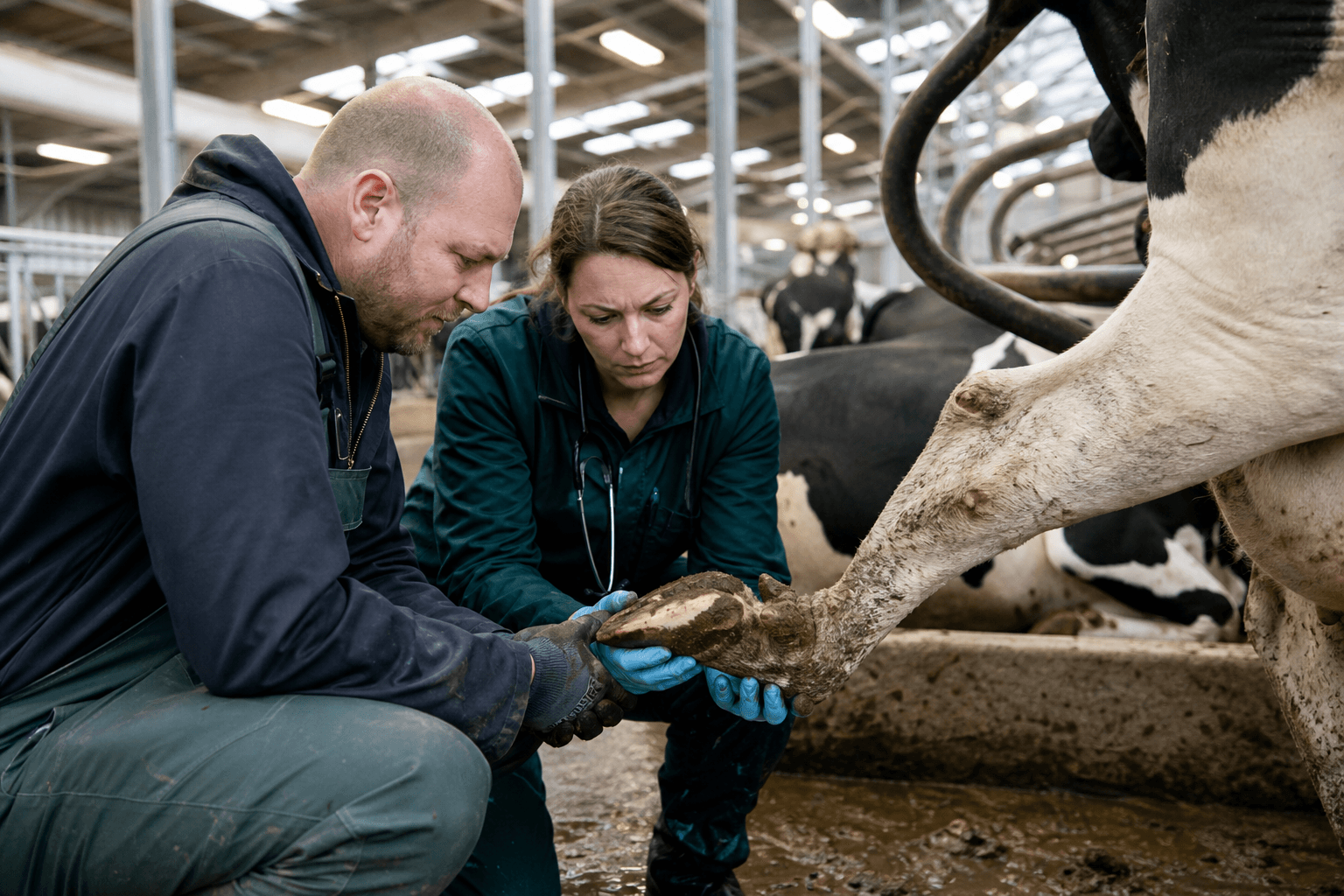
Hoof trimmers see the pattern every week. Farms with slick holding areas and worn return lanes send the same profiles: corkscrew claws, toe ulcers, swollen joints. Fix the floor and the next year's trim sheets look different. Ignore the floor and you're trimming the same feet twice.
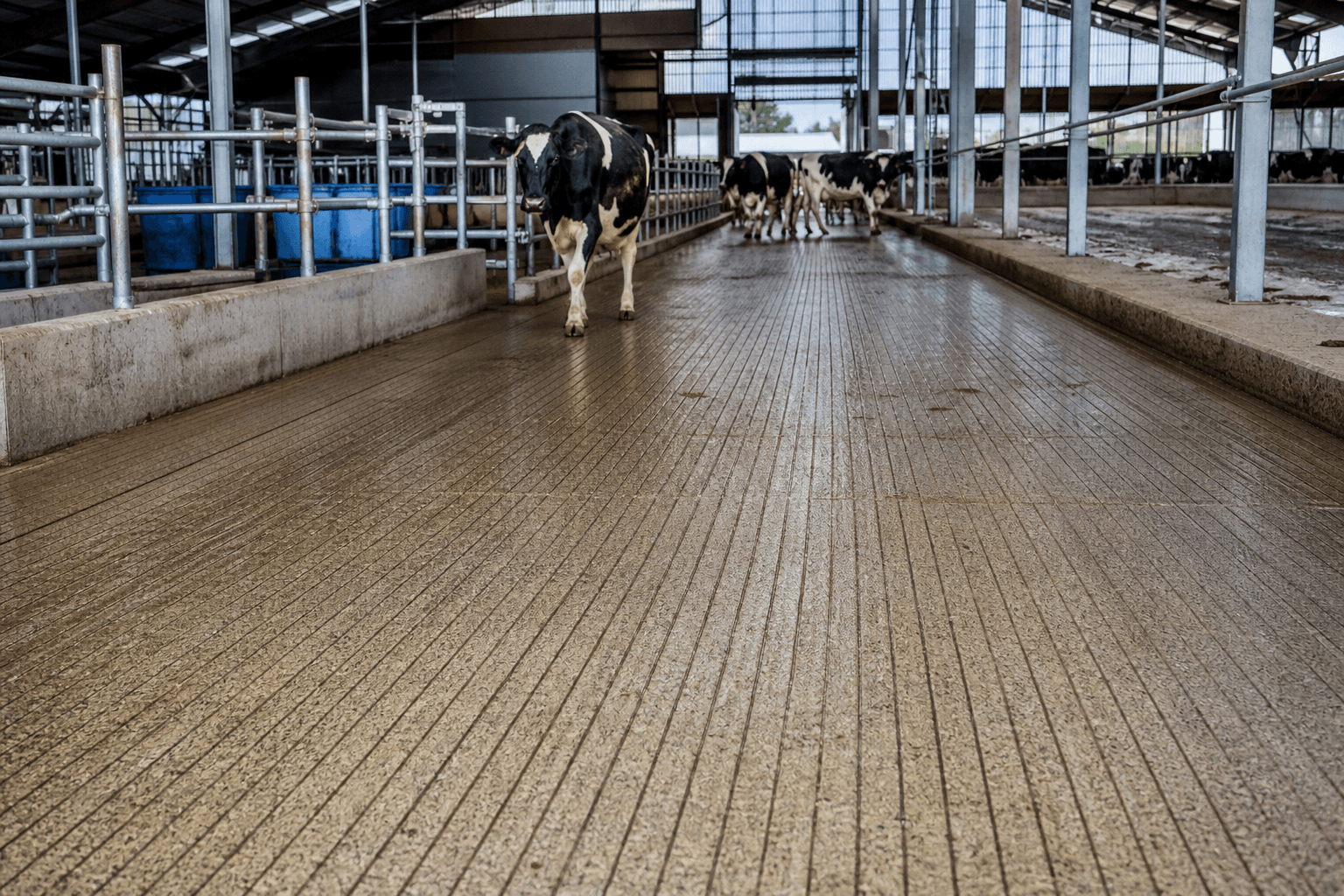
Grooving at roughly $0.75/sq ft interrupts that arc at the first step. Square-edged grooves at Dairyland Initiative spacing give hooves grip before the scramble happens. Read why grooving works and see how the standard was built to prevent exactly this chain.
Cows You Can't Get Back
Treatment saves some lame cows. It doesn't save all of them, and it doesn't restore lost lactation. A cow culled for feet at 2.5 lactations takes her genetics, her production history, and her replacement cost with her. The heifer behind her needs another eighteen months to break even.
Every cull traced to footing is a cull that didn't have to happen. I'm not saying grooving eliminates lameness — nutrition, stall design, and genetics still matter. But footing is the variable too many farms accept as fixed when it's one of the most fixable inputs on the operation.
If your cull reasons include 'feet' or 'lameness' more than you'd like, walk your barn floor before you walk your genetics program. The answer might be under your boots.
Digital monitoring and activity tags flag lame cows after the fact. Grooving addresses the trigger before the tag spikes. Use both — tags for early detection, footing for prevention — but don't let technology substitute for fixing slick concrete that's been there since the barn was built.
High-Risk Barn Zones and Repeat Offenders
Certain cows slip more because certain zones fail more. Holding areas, parlor returns, and turn points lame cows disproportionately. Map those zones — our piece on where slips start walks through the layout — and compare to your cull records. The match is usually uncomfortable.
Repeat offenders — cows trimmed two or three times a lactation — often live in the same stall row or use the same return lane. Fixing their zone protects the whole group, not just the chronic cases.
Regrooving on the 6–8 year cycle before edges round off keeps protection continuous. Waiting until lameness spikes means you've already paid in culls for the delay.
Sort gates and treatment pens concentrate agitated cows on short stretches of concrete. If those stretches are slick, you're sorting lame cows into tighter quarters on the worst footing in the barn. Groove sort lanes before you wonder why treated cows don't recover.
Stopping the Arc Before the Cull
Prevention beats treatment every time on the economics and on the cow. Grooving costs about $0.75/sq ft once per cycle. A single cull costs thousands in lost production and replacement. The comparison isn't close.
Schedule regrooving when edges wear, not when the cull list swells. Compare grooving to alternatives on grooving vs milling — square-edged cuts last and protect hooves. Milling and shortcuts don't interrupt the slip-to-cull arc the same way.
Request a free estimate from our grooving crew. We'll identify worn zones and give you a plan. Keep your herd on all fours — before slip today becomes cull tomorrow.
Prevention beats treatment every time — on the economics and on the cow.
What Changes When You Fix the Floor First
Farms that regroove on schedule report fewer repeat trimmer visits, lower antibiotic use for foot cases, and cull lists where 'feet' drops down the ranking. The cows stay longer. The tank stays fuller. The vet bill quiets down.
That's not a sales pitch — it's what happens when you remove one of the most preventable lameness triggers from the barn. Thirty-five years of grooving has shown us the same outcome on dairy after dairy.
Davidson Cement Grooving — square-edged, Dairyland spacing, fair pricing, nationwide for larger barns. Send us your worst zone photos or book a walk-through. Let's stop the arc before the next cull.
Recording Slips Before They Become Cases
You don't need a software system — a whiteboard near the parlor works. When a cow scrambles, mark the zone and date. When the trimmer finds a lesion, note which groups use which lanes. Patterns emerge fast when you write them down instead of trusting memory.
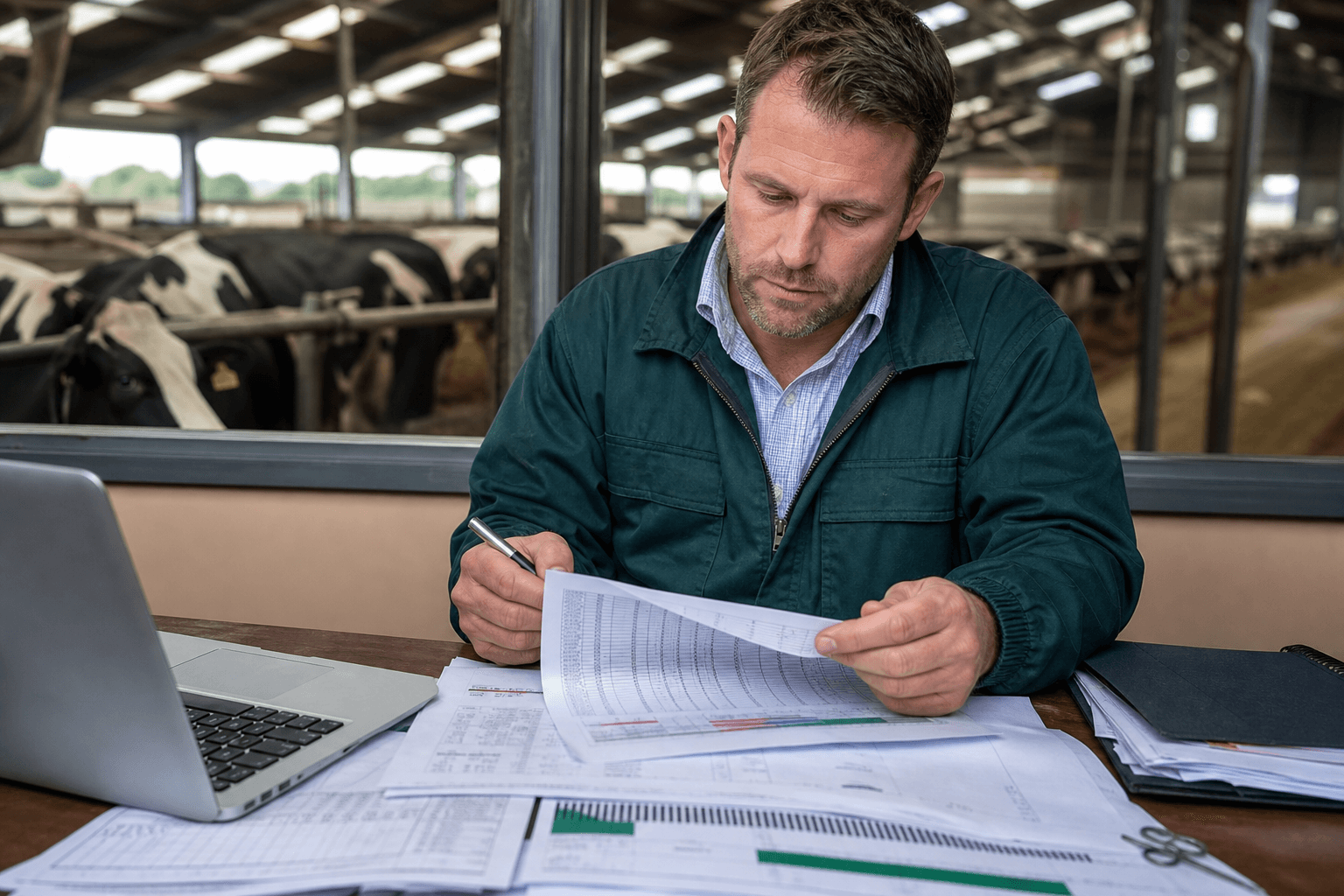
Slip logs also help prioritize grooving when budget covers part of the barn first. Ten scrambles in the holding area and two in the cross alley tells you where to cut first. Data beats guesswork when you're spending $0.75/sq ft and expecting six to eight years of protection.
The goal is simple: fewer cows on the cull list for feet, fewer cases at $76–$533, fewer pounds lost at 700–900 lbs per case. Fix the floor, log the results, and regroove on schedule. Slip today doesn't have to mean cull tomorrow.
Breeding decisions compound the cost. A lame cow that's open an extra sixty days isn't just costing $4.50 per day — she's throwing off your voluntary waiting period, your synch program, and your heifer inventory plan. Footing-related lameness ripples into areas of the operation that don't show up on the hoof trimmer invoice.
Talk to cull buyers and you'll hear the same thing: sound feet bring confidence. Cows with chronic foot history discount at sale. Keeping cows on all fours through proper grooving protects salvage value and gives you options — sell, keep, or move groups — without feet disqualifying the decision before you make it.
The cull list is where slip economics become personal. Grooving is how you keep names off that list for preventable foot reasons.
Every cow kept off the cull list for feet is a cow still paying off her rearing cost and filling the tank. That's the number that matters at the kitchen table.
Slip today doesn't have to mean cull tomorrow — but only if the floor gets fixed before the lesion becomes chronic. Grooving buys time hooves can't buy for themselves.
Chronic lameness cases often start as a single scramble you never saw. Fixing the zone where she scrambled protects the next cow and the one after that — not just the individual already on the trim list.
The long arc from slip to cull is preventable at the first step. Grooved footing is that step — square edges, fair price, 35+ years of proof on dairy barns nationwide.
Log the slips. Fix the zones. Regroove on schedule. Simple discipline beats expensive regret.
Frequently Asked Questions
How long after a slip does lameness typically appear?
Timelines vary, but hoof trimmers often trace acute lesions back to footing stress weeks or months earlier. Chronic cases build over multiple lactations. The earlier you fix slick zones, the fewer cases enter that pipeline.
Can regrooving help if we already have high lameness?
Yes. Regrooving stops new footing-related cases even while you treat existing lame cows. Most farms see the rate of new cases drop within the first lactation after worn grooves are restored to square edges.
Does grooving help older cows stay in the herd longer?
Older cows often struggle most on slick floors because they move more cautiously and compensate more slowly. Proper grooving gives them secure footing that extends productive life — fewer culls for feet on cows with years of milk left.